Accept you ever wondered how to create a blog folio in WordPress? It's not that difficult, really, what is difficult, however, is making information technology visually appealing and easily navigable to the user.
If you are a blogger, this folio is a window to your work. It may fifty-fifty be your homepage and so, it must stand out, evangelize your vision, personality, and be the focus of your website and the source of your newsletter subscriptions.
You can create a simple blog page using WordPress, simply If you truly desire to astound and stupify your readers, yous need something more.
Yous can either use plugins and themes, each with their limitations, or y'all can utilize Elementor, and all in ane solution.
But before we get ahead of ourselves, what is a weblog page?
While this may seem similar a elementary question to answer, at that place might exist some defoliation betwixt a web log page and a weblog mail service.
The blog page and the blog mail accept some notable differences on the outside, which we will cover momentarily, only there are some additional differences behind the scenes. The main differences are in the hierarchical structure of the pages, with the weblog page being higher up the weblog post in the hierarchy.
A blog post (more unremarkably referred to as a unmarried post/page) is an private article that covers a certain topic and is located within the weblog page. It has the following attributes:
- It has the author's proper name and the appointment of publication. Since blog posts are published more than often than pages, this is an important distinction between the ii. A web log mail service has the writer'due south name, and the appointment information technology was published on.
- It has an surface area for users' comments. This feature is especially important to blogs and aggregator websites. These comments enable idea sharing with arguments for or against the article.
- It has social media sharing buttons. As befits whatever blog post (or for that matter, a new article) it has social media buttons that let it to share the web log post with a wider audition, and thus promote it.
A blog page (more normally referred to equally an archive page), on the other hand, is a static page that includes all the web log posts. On it, posts are commonly listed in opposite chronological order, showing the newest posts get-go, which makes sense, given that y'all want your readers to read your latest posts starting time.
The blog page, reverse to the blog post, does non the writer's proper name, the date information technology was published on, sharing buttons (although, with Elementor, you can add together those anywhere), or a annotate section. Notable examples include the homepage, the about folio, and the contacts page.
If information technology's a blog post that interests you, y'all might want to check this article about designing a blog post in WordPress or our guide about creating epic blog posts.
Then, let's go started.
Before venturing into creating an designing a weblog page in WordPress, y'all must offset have several things prepare.
You must have a WordPress website up and running, consummate with a hosting plan, a domain proper name, and a homepage ready. You tin read this splendid guide to get started.
Once this part is done, yous can and then move on to creating a blog folio in WordPress. Just what's included in a blog page?
Whatever blog page has several bones elements that it should have:
- A header and a footer for piece of cake navigation. While you can easily create a menu, without a header and a footer, we highly recommend that you do accept them, considering they create a better user experience.
- Blog posts. These will be visible on the web log folio, and they can have several different forms including an all image gallery, text without images, etc.
- Search options. Yous should have a search field available for improve navigation and better user experience.
- Numeration (as well known every bit pagination). Y'all should have the ability to movement to older posts past changing the page bachelor.
- Calls to activity. While each individual mail service tin can have calls to action, the blog page can also have them, especially in the class of banners, or links within the header or footer, or even popups.
- Pop-ups to subscribe. If done well, these can bring your subscription levels up in no time.
- Filtering. In addition to the search field pick, we recommend that your weblog has filtering options, and then that the user can filter your posts by tags and categories.
If your homepage is your web log folio, then skip the next part.
Before you can movement on to creating the web log page, you need to create a separation between the homepage and the blog page so that the homepage does non evidence recent posts.
If this is a new website, you do this by creating two pages, labeled Dwelling house and Blog. If yous already have a homepage, you don't need to create it, you'll take to create only the blog page and skip to step iii.
- Get to the WordPress dashboard and select the Pages tab.
- Then, create the two new pages.
- Now, select the Settings tab in your dashboard, then the Reading tab, and under the section 'your homepage displays', cull the option A static page.
- Now, yous can assign the pages you've created. Assign the homepage to the Homepage option and the weblog page to the Posts page selection.
- Also, don't forget to add this page to your navigation menu, by going to the Appearance tab, and selecting Menus.
You've done it. You lot created a blog page, where all your new posts will be visible.
Merely at present comes the difficult role, especially when using the native WordPress customization options. Now you demand to brand sure that your blog page is inviting, like shooting fish in a barrel to read, and easy to navigate through, and this is where those basic elements that we've mentioned come into play.
When using the default WordPress selection, these aspects often depend heavily on the theme you choose. Regardless, you often have little to no real power to change the many lilliputian aspects you lot want. You may exist required to use code to change something or add together something. Or y'all may require an external plugin.
For example, the header and footer depend on the theme, with virtually being hard or impossible to customize (unless you know how to code).
Or, for instance, if y'all want to add the filtering option, y'all may require an external plugin, like the ones nosotros've covered here.
Fifty-fifty more vexing is the fact that you lot take little command over the visual representation of the posts themselves, their location, their spacing, design, and other elements.
You are virtually likely to accept a fixed pattern, unless, over again, you buy a premium theme, or take extensive coding cognition. That's why we recommend that you use Elementor.
Elementor tin can completely change the way yous approach the process you apply to create new blog pages, and information technology tin can allow you to go beyond a unproblematic mode of using text and images.
Elementor makes it incredibly simple to build custom web page designs without needing to know how to code.
To design a weblog folio with Elementor, you lot need to do the following:
- Create a new page with Elementor.
- Use the total power of Elementor to customize it any way you desire.
First, choose any theme you'd similar. We recommend Hullo Theme equally it has a minimal pattern and allows yous to explore and customize your design whatever way you want it. Elementor has numerous widgets that brand designing and adding functionality to your blog page much easier.
The basic web log page design includes the following elements:
- Header and footer
- Posts
- CTA Buttons
- Headers
- Popular-Ups
- Gallery
The header and the footer are an important part of the blog folio design, and fifty-fifty more so to the website navigation. Elementor allows you lot to add headers and footers seamlessly to your weblog page (and indeed to the whole website). But that's not the best role; the all-time part is that you customize them whatsoever way you want.
Yous can make them small or big, yous can add together links, search options, buttons, and your company's logo with a simple drag and drib, and you can change the colors simply past selecting the settings and irresolute them.
To add a header and a footer to your blog folio, you lot need to do the following:
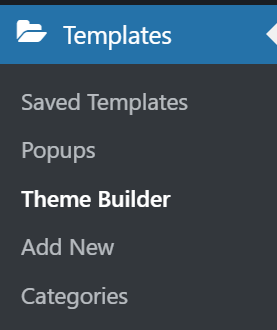
ane. Become to WordPress Dashboard > Templates > Theme Builder
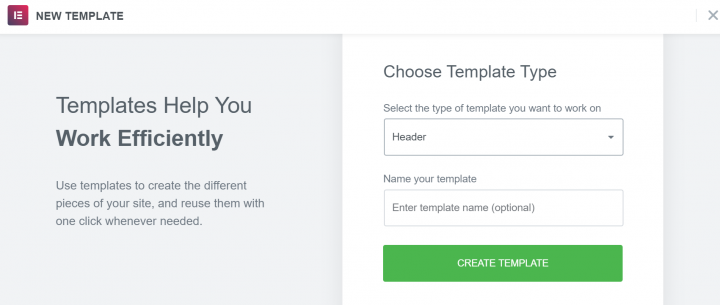
2. Click ' Add New Template ' and cull 'Header' .
three. Name your header template and click 'Create Header'
At present y'all'll be able to either choose a pre-made header template or create one from scratch.
Once you lot have made the needed changes to the header pattern, click 'publish', and choose where to publish the header. The default is 'entire site'.
For a more comprehensive guide, check out this article.
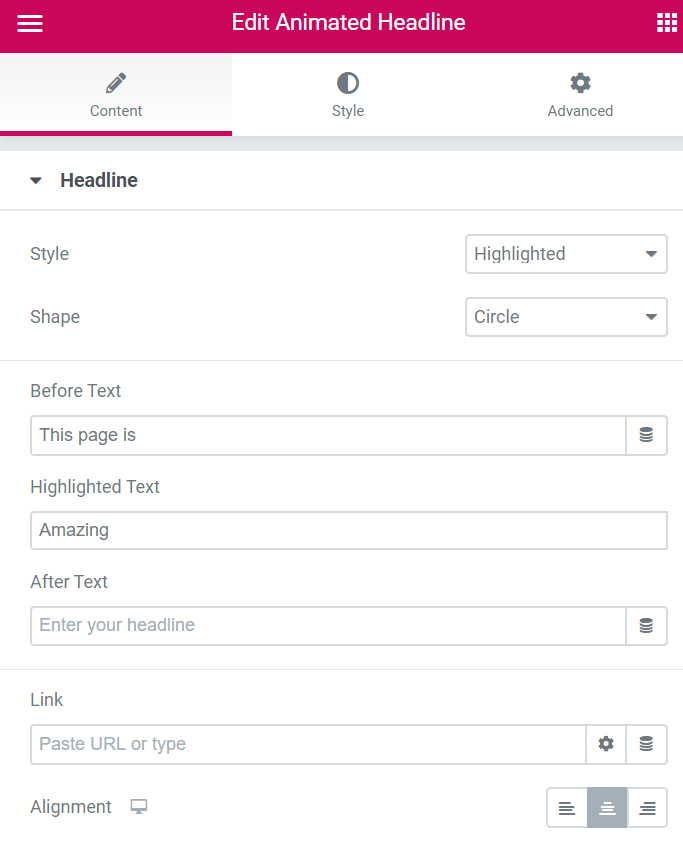
Headings? You might inquire yourself. Yes! With Elementor, you can create stunning, blithe headings to make your blog page much more appealing and stand out from the balance of the contest. You can add lines, eclipses, and other types of animations with a simple click.
All you need to do is the post-obit:
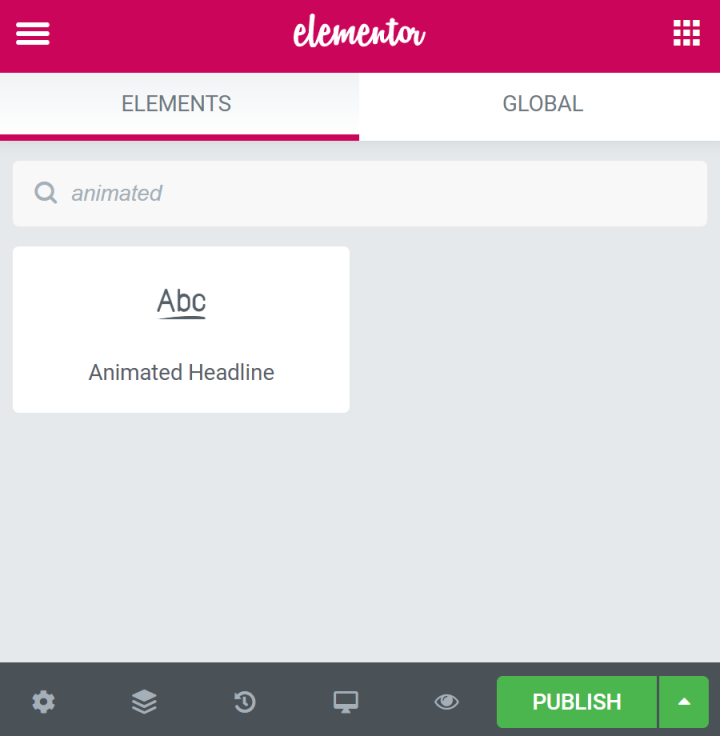
1. Become to the Elementor editor, cull the Animated Headline Widget.
two. Drag and drop it to where you desire information technology to appear.
3. From here, y'all'll go the option to tweak the setting and manner, and choose the animation you desire.
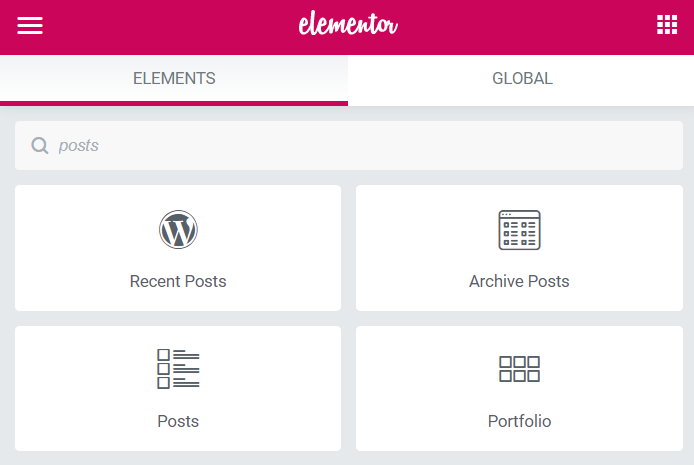
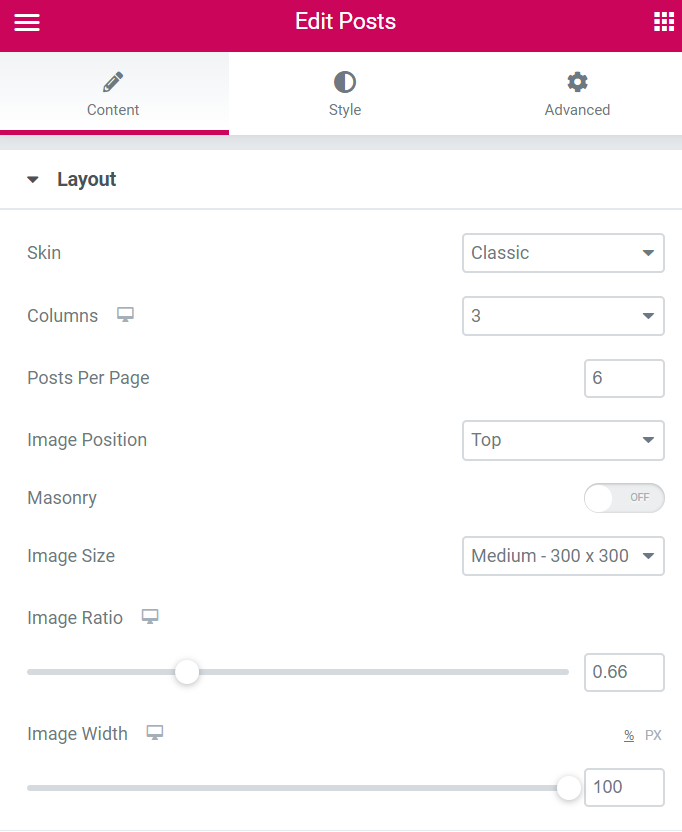
Now we come to the nearly important office of the blog page — the posts. Elementor'southward posts widget allows you to drag and drop the widget to the surface area where yous'd like your posts to be and then customize them with Elementor's editor.
Y'all can alter anything from the spacing to the mode, to the number of posts, pagination, and the length of the text. Really, here you tin let your inner designer become crazy.
1. Go to the Elementor editor, choose the Posts Widget.
ii. Elevate and drop it to where you lot desire it to appear.
3. From here, y'all'll go the option to tweak the setting and style, and choose the animation you desire.
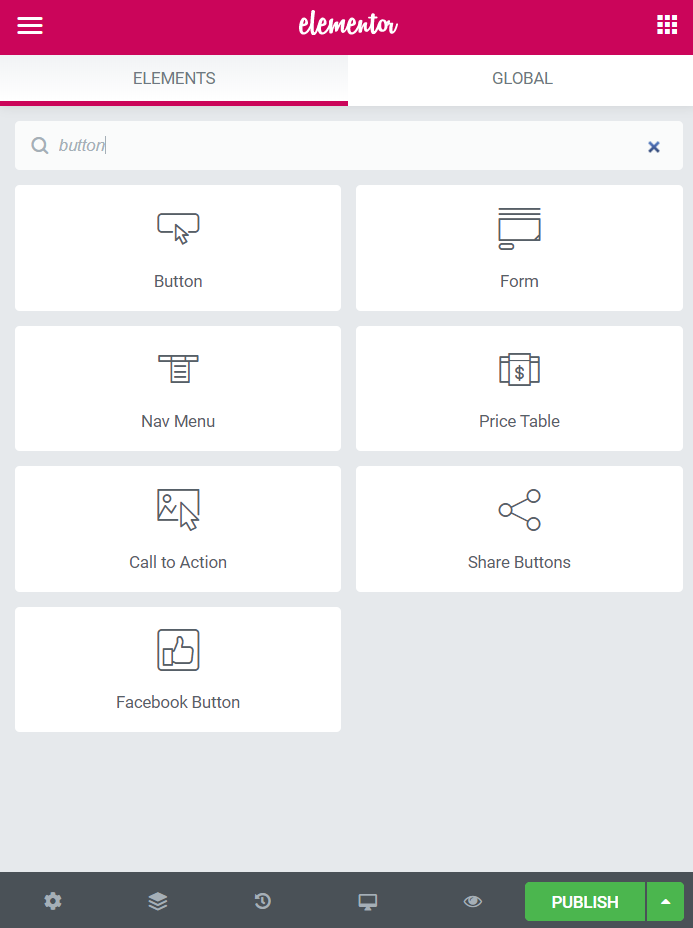
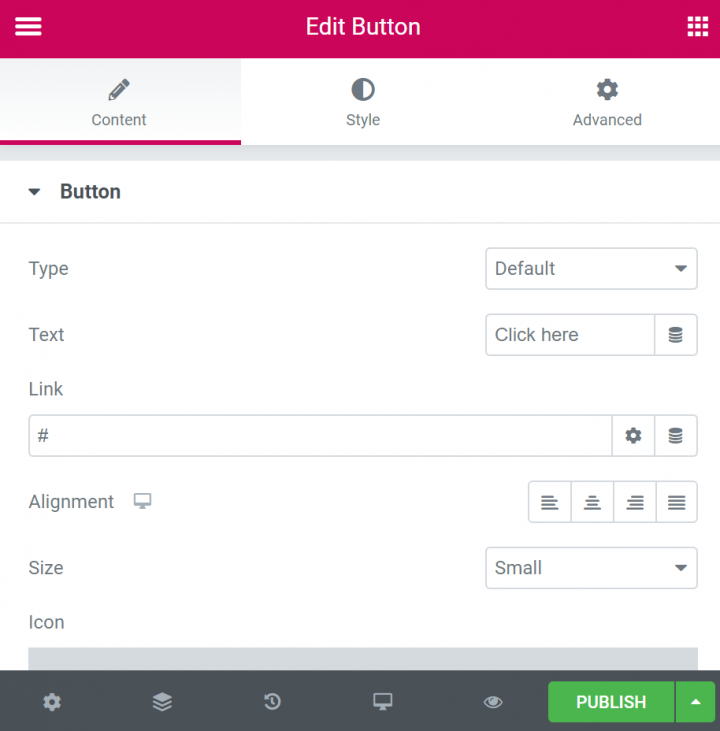
Buttons play a key function in creating easy navigation and calls to action that really stand out. Elementor's push button widget makes it absolutely easy to create these buttons and customize them any way you lot want them. Yous can brand them as large as you desire them, choose whatsoever color, and any font for the text.
1. Become to the Elementor editor, choose the Push button Widget (y'all tin even add social media buttons with Elementor)
2. Drag and drop it to where yous want it to appear.
3. From here, yous'll get the option to tweak the setting and style, and choose the animation you want.
Popups are a smashing way to get the user's attention and to pb them to make an action you'd similar, like, for instance, subscribing. Imagine a beautifully created popup that asks your users to subscribe to your newsletter. Or maybe highlight a certain mail. Or announce something new, similar a sale. The possibilities are endless.
Elementor has an astonishing pop up architect and to add popups to your weblog folio, follow these simple steps:
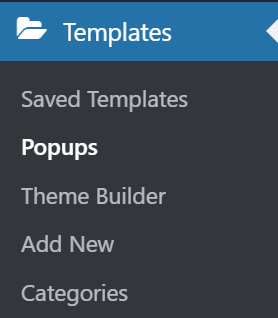
1. From your WordPress dashboard, go to Templates > Pupups
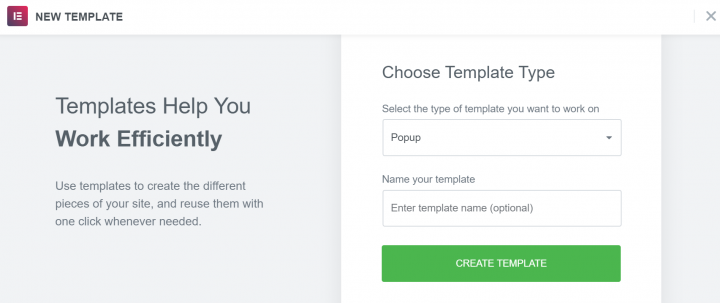
2. Name your template and click Create Template
3. Choose a template from the Library or create your ain pattern
4. Click Publish, and then Save and Close
five. Open a new page in Elementor
6. Drag in a push button widget
7. Under Layout, choose Link > Dynamic > Actions > Popup
8. Click Popup > Open Popup > Select the popup you lot created
9. Get to the live folio, click on the push button and see the popup appear
Elementor gives yous the option to create and design your blog page hands with no effort and no coding requirements. Information technology's as elementary as creating a new page, dragging what you need, and dropping it where you need it. You tin can customize and design it to make information technology unique and in tone with your company's website. So, be sure to get Elementor.







0 Response to "I Don't Have A Blog Template In My Wordpress?"
Post a Comment